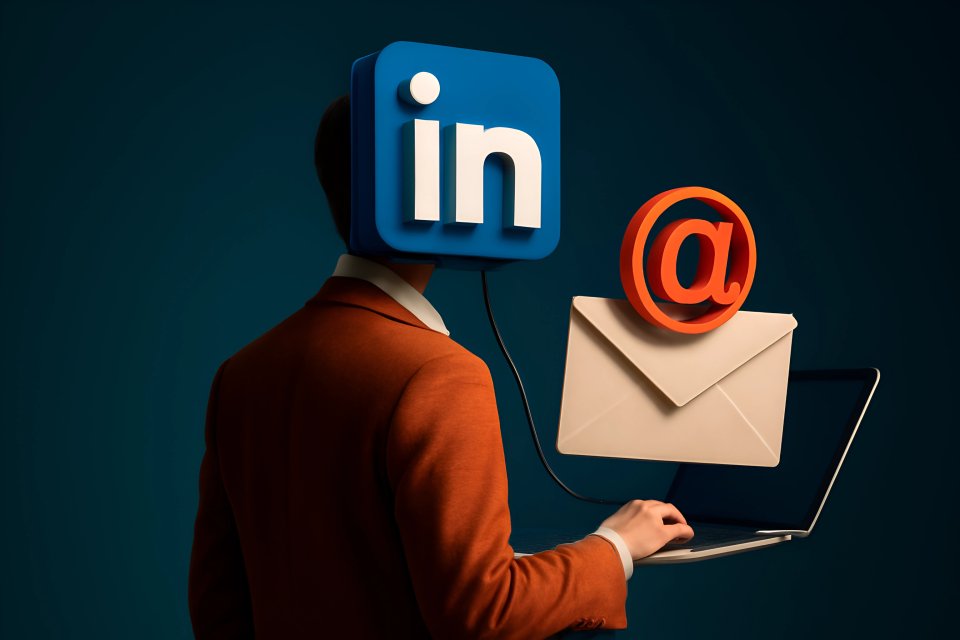
Your LinkedIn outreach gets connections, but no conversations. Your cold emails are met with the deafening silence of a 5% open rate. What if the problem isn't the channel, but the fact that they're working in isolation?
You feel the frustration. You’re putting in the work, sending the messages, but the pipeline remains stubbornly empty. This isn't just a marketing problem; it's a survival problem. Without a predictable flow of high-quality leads, your business stagnates.
But there is a better way. In this guide, we'll break down the exact framework we use at CaptivateClick to implement innovative lead generation tactics with LinkedIn and email automation. You'll learn a step-by-step process to find, engage, and convert your ideal clients, turning two underperforming channels into a single, powerful lead generation engine.
The Psychology Behind the LinkedIn-to-Email Funnel
This isn't just another cold outreach strategy. It's a calculated, two-step combination designed to build familiarity and trust before you ever ask for a meeting. Think of it as a classic boxing "one-two punch" that systematically breaks down your prospect's defenses.
First comes the jab: LinkedIn. This is your warm-up, your way of getting on their radar without being intrusive. With over 80% of B2B leads from social media coming directly from its platform, LinkedIn is the undisputed arena for professional connection. You use it to establish social proof through mutual connections, provide context by referencing their work, and create a flicker of recognition.
Then comes the cross: Email. Once you've established that initial, low-threat connection, you move the conversation to a more direct and professional channel. This is where you deliver your real value, using scalable, automated sequences to nurture the relationship. It’s the knockout punch that turns a passive connection into an active, engaged lead ready to talk business.
Your Step-by-Step Guide to Combining LinkedIn and Email Automation
Step 1: Laying the Foundation - Profile Optimization & ICP Definition
Before you send a single message, you must transform your LinkedIn profile from a digital resume into a high-conversion landing page. Your headline, summary, and experience sections must scream "I solve _your_ specific problem" to your Ideal Customer Profile (ICP). This isn't about listing your accomplishments; it's about articulating their desired outcomes.
Defining your ICP is the most critical step. Go beyond simple job titles and company size. Dig deep into their daily frustrations, their career aspirations, and the specific language they use to describe their challenges. According to research, a staggering 71% of consumers expect personalized interactions, and this level of deep understanding is the only way to deliver it.
This foundational work ensures every subsequent action is hyper-relevant. It’s the difference between shouting into a void and whispering a solution directly into the ear of someone who desperately needs to hear it. Your profile becomes a magnet for the right people and a filter for the wrong ones.
Step 2: The LinkedIn Warm-Up Sequence
Your first move is never a sales pitch. It's a series of subtle, strategic actions designed to build familiarity and prime the prospect for your eventual outreach. This is the art of being seen without being pushy.
The sequence begins with a silent first touch: the profile view. Next comes the connection request, but not the generic, default message. You must craft a personalized, non-salesy invitation that gives them a reason to accept.
For example:
Hi [Name], I saw your recent post on [Topic] and found your perspective on [Specific Point] insightful. Would love to connect and follow your work.After they accept, the final touch is a light engagement. A thoughtful comment or a simple "like" on one of their recent posts solidifies their recognition of your name. You are now a familiar face, not a cold solicitor, which dramatically increases the effectiveness of the next step. For a deeper dive, explore these advanced strategies for LinkedIn outreach to master this crucial phase.
Step 3: The Bridge - Acquiring the Professional Email
With a warm connection established, it's time to move the conversation off LinkedIn. To do this, you need their professional email address. This step is crucial for maintaining professionalism and ensuring your carefully crafted messages actually land in their primary inbox.
Using tools like Hunter.io, Apollo.io, or Lusha allows you to find verified work emails efficiently, but this process comes with responsibility. It is absolutely essential to adhere to data privacy regulations like GDPR and CAN-SPAM. As detailed in guides on email verification and finding tools, using verified emails is non-negotiable for protecting your domain's sender reputation and avoiding the spam folder.
This isn't about scraping data indiscriminately. It's about leveraging technology to open a direct, professional line of communication with a prospect who has already acknowledged your existence. This simple bridge is what makes the entire automated follow-up system possible.
Step 4: The Automated Email Nurture Campaign
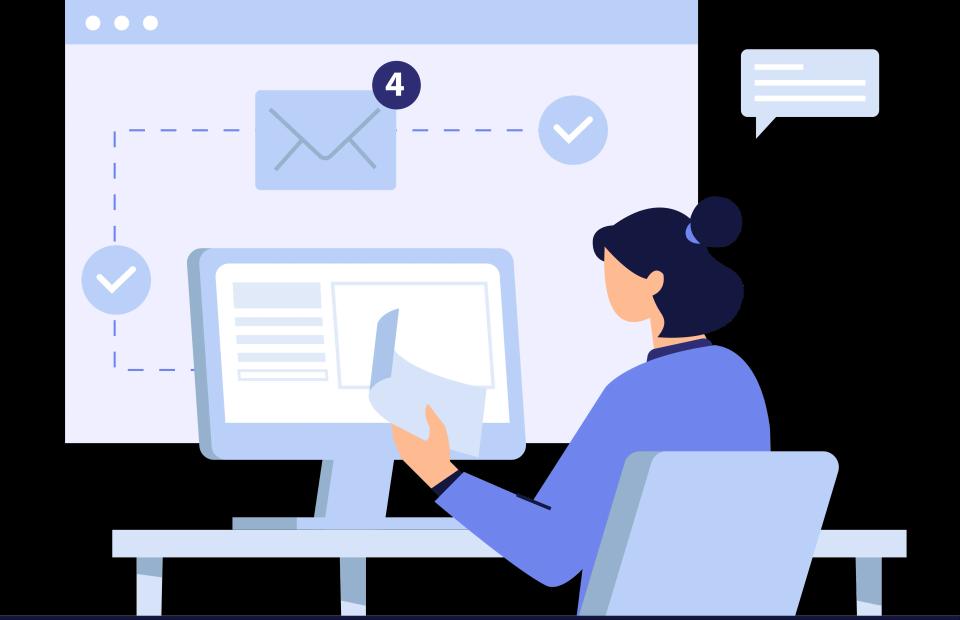
Now, you unleash the power of automation. This isn't a generic email blast; it's a short, sharp, and highly contextual sequence designed to provide value and gently guide the prospect toward a conversation. A simple but devastatingly effective 3-email sequence is all you need.
Email 1 is the contextual opener. The subject line should immediately reference your shared connection, such as Subject: Great connecting on LinkedIn, [Name]. The body of the email should provide immediate value—a compelling insight, a relevant statistic, or a link to a powerful resource—without asking for anything in return.
Email 2, sent 2-3 days later, is the value-add. This is where you share a high-value asset like a case study, a detailed blog post, or a short video that directly addresses a pain point relevant to their role. Finally, Email 3 introduces a soft, low-friction call-to-action, like "Would you be open to a brief 15-minute call next week to discuss how we help businesses like yours achieve [Result]?" For more advanced workflows, explore these automated email sequences for lead nurturing.
Step 5: Measuring and Optimizing Your Funnel
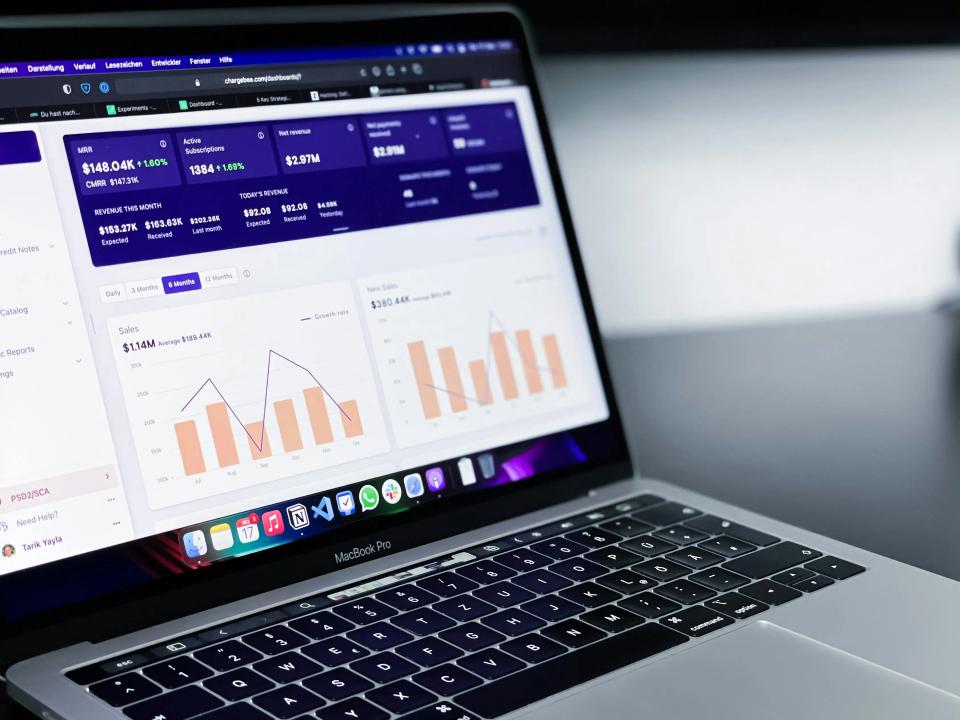
You cannot improve what you do not measure. To turn this framework into a predictable lead generation machine, you must obsessively track your key performance indicators. This data is the lifeblood of your campaign, telling you exactly what’s working and what needs to be fixed.
The critical metrics to monitor are your LinkedIn connection acceptance rate, email open rate, reply rate, and, ultimately, the number of meetings booked. A low connection rate might signal a problem with your profile or connection message. A low email open rate could mean your subject lines aren't compelling enough.
Use this data to run simple A/B tests on your subject lines, email copy, and calls-to-action. Even small, incremental improvements can lead to massive gains over time. By leveraging analytics for continuous optimization, you transform your outreach from a guessing game into a data-driven science.
Essential Tools for LinkedIn Outreach and Email Automation
To execute this strategy at scale, you need the right technology. Your tech stack doesn't need to be complex, but it must be effective. These tools are the gears of your lead generation machine, automating the repetitive tasks so you can focus on building relationships.
For LinkedIn prospecting and outreach, platforms like Expandi or MeetAlfred can help automate the warm-up sequence. However, it's crucial to use these tools responsibly and within LinkedIn's terms of service to avoid account restrictions. The goal is to automate tasks, not genuine human interaction.
For finding and verifying emails, services like Hunter.io, ZeroBounce, or Snov.io are indispensable for ensuring high deliverability. Finally, for the email sequencing itself, tools like Lemlist, Mailshake, or HubSpot Sales Hub allow you to build, schedule, and track your automated nurture campaigns with precision. These AI-powered lead generation tools are essential for modern marketers.
How We Generated a 25% Increase in Qualified Leads for a B2B Tech Client
The theory is powerful, but the proof is in the results. A B2B SaaS client came to us with a strong product but a weak pipeline. They were struggling to get their foot in the door with enterprise-level VPs of Engineering, and their cold outreach was falling flat.
We implemented this exact integrated strategy. First, we used LinkedIn Sales Navigator to build a hyper-targeted list of decision-makers, then ran our 3-step warm-up sequence of viewing, connecting, and engaging with their content. This simple act of warming up the relationship is one of the most effective LinkedIn B2B lead generation strategies you can adopt.
Once connected, we used an email finder to acquire their verified work addresses and launched a 3-email automated sequence. The first email referenced their LinkedIn activity and shared a highly relevant case study on tech infrastructure optimization. The results were immediate and dramatic: a 25% increase in qualified meetings booked, a 60% open rate on the first email, and a significant reduction in their average sales cycle length.
Pro Tips for Ethical and Effective Outreach
Executing this strategy requires finesse. The line between persistent and pestering is thin, and staying on the right side of it is paramount for long-term success. These best practices will keep you out of the spam folder and in your prospect's good graces.
Hyper-personalization is your greatest weapon. Go beyond the basic [First Name] merge tag. Mention a specific article they wrote, a comment they made, or a recent company achievement. This demonstrates genuine interest and proves you've done your homework.
Always lead with value. Before you ever ask for their time, give them something useful—an insight, a resource, a new perspective. This builds reciprocity and positions you as a helpful expert, not just another salesperson.
Finally, respect their time and their decisions. Keep your messages concise and easy to scan. And if they say "no" or ask to be removed, honor that request immediately with a clear and simple opt-out process.
Your New Engine for High-Quality Leads
You now have the blueprint. This integrated framework—Foundation, LinkedIn Warm-up, Email Nurture, and Conversion—is more than just a series of steps. It is a complete system for building genuine relationships at scale, resulting in a steady stream of higher quality leads who are actually eager to speak with you.
Stop letting your outreach efforts work in isolation. By combining the social proof of LinkedIn with the direct, scalable power of email, you create a synergistic effect that blows single-channel strategies out of the water. This is one of the most innovative lead generation tactics available today because it puts human connection at the heart of automation.
Ready to build a powerful lead generation engine for your business? The experts at CaptivateClick specialize in creating and executing integrated outreach strategies. Contact us today for a free consultation and let's captivate your next click.
FAQs About LinkedIn and Email Automation
Is it spammy to email someone after connecting on LinkedIn?
No, not if it's done correctly. The key is context and value. By referencing your recent LinkedIn connection and immediately providing something useful, you're continuing a conversation that has already begun, rather than initiating a cold, unsolicited pitch.
How many emails should be in an automated sequence?
For this type of warm outreach, a sequence of 3 to 5 emails is typically most effective. It provides enough touchpoints to build familiarity and deliver value without overwhelming or annoying the prospect. The goal is a gentle, persistent follow-up, not an aggressive barrage.
What's a good connection acceptance rate on LinkedIn?
For highly personalized connection requests sent to a well-defined ICP, you should aim for an acceptance rate between 20% and 40%. If your rate is below this, revisit your LinkedIn profile optimization and the copy of your connection message to ensure it's compelling and non-salesy.